
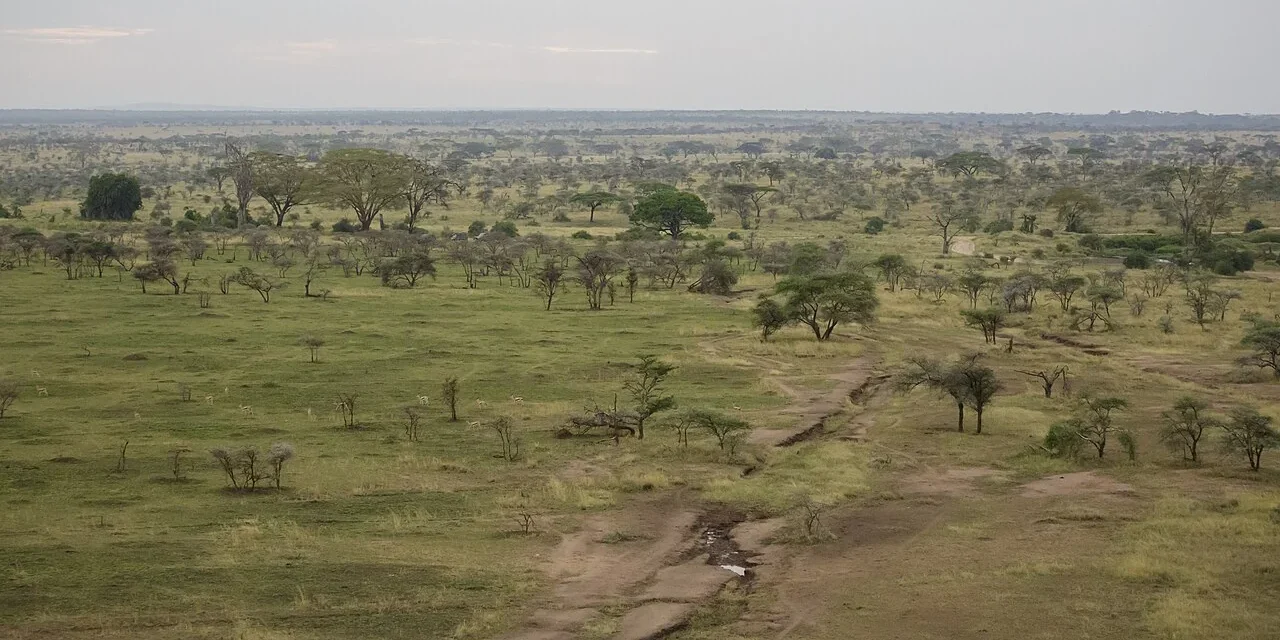
A broad view is a useful beginning in the Serengeti, but it is only a beginning. A line of darker vegetation, a granite outcrop or a change in the grass can tell you that the setting is changing. Before looking for a particular animal, take a moment to describe the place in front of you.
UNESCO identifies a varied landscape of open grasslands, rocky outcrops, rivers and woodlands. These settings are connected. Reading their differences gives an ordinary pause in a game drive a purpose, even when a large mammal is nowhere in sight.

Balloon Safari & Bush Breakfast in Serengeti - Miracle Experience
Miracle Experience is a premier eco-luxury Hot Air Balloon Safari company based in Tanzania. Our incredible safaris over the Serengeti and Tarangire N...
Begin with the shape of the land
Try a simple observation: look from the nearest ground to the furthest visible horizon. Is the surface flat, gently folded or broken by rock? Where do trees gather? Which parts of the scene are open enough to see through, and which parts conceal what lies behind them?
This is not a way to predict a sighting. It is a way to ask a better question of your guide. A local explanation can connect an apparent visual detail with soil, water, vegetation or the recent conditions in that part of the park.

Give the kopjes their own attention
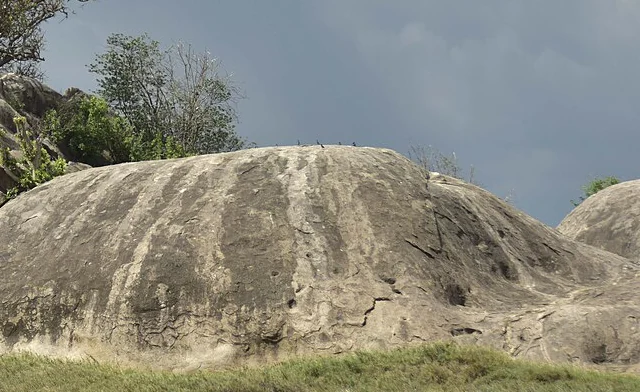
Kopjes are rocky outcrops that interrupt the grassland. From an approved viewing position, notice the relationship between exposed stone and the vegetation around it. A photograph can show a whole outcrop, a shaded gap or the surface of the granite without turning it into a backdrop for an expected animal.
Our detail photograph shows a Serengeti kopje. It is not assigned a more specific name because the source does not establish one. Use the same care in your own notes: a precise-sounding label is less useful than an honest description when the location is uncertain.

Compare the settings
| Setting | What to notice | A useful question |
|---|---|---|
| Open grassland | Grass height, bare patches and distance | What has changed here recently? |
| Kopje | Rock shape, shade and vegetation | What makes this outcrop distinct? |
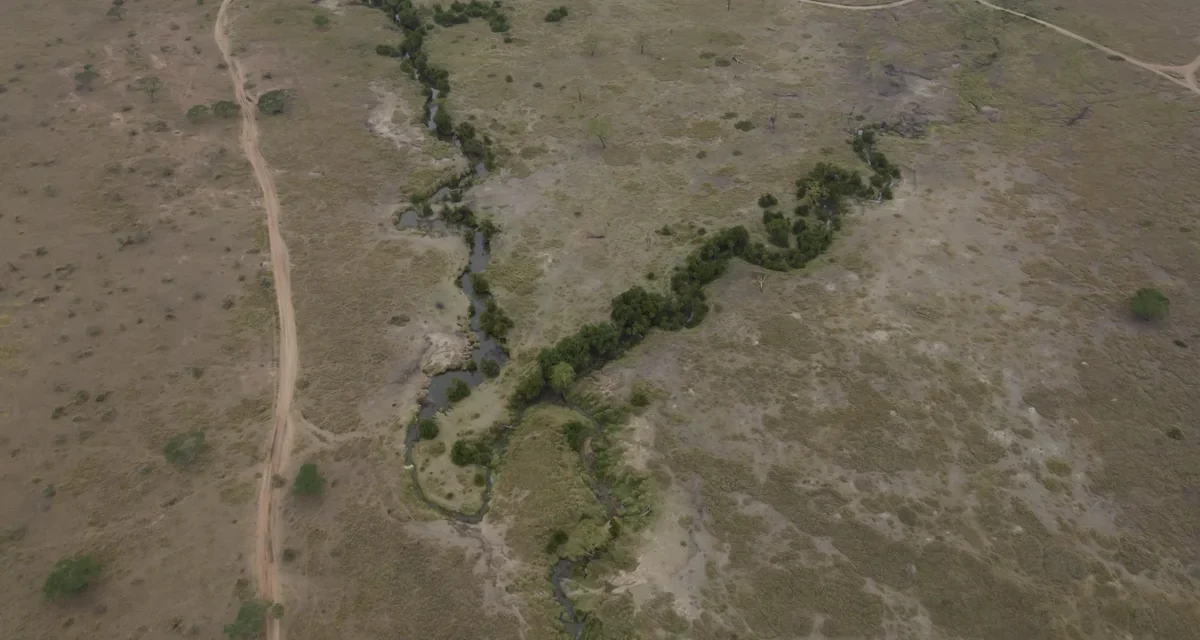
| River corridor | The water line and surrounding cover | How does this place change with water levels? |
| Woodland | Tree spacing and the ground beneath it | Which features should we look at more closely? |
Keep park and ecosystem in view
The national park belongs to a wider ecosystem. Frankfurt Zoological Society describes that wider area as a combination of protected places and community land. The borders of the park and the limits of an ecological process therefore answer different questions. Kenya’s Maasai Mara is a separately managed neighbouring destination, not another name for the Tanzanian park.
When comparing a route, ask which places are inside the national park and which are outside it. That distinction helps you understand the itinerary without assuming that every landscape labelled Serengeti has the same access arrangements.
A habitat description should explain a place, not promise an animal. Keep that distinction when reading itineraries and photo captions.

Serengeti Balloon Safari and authentic bush breakfast
Some things are worth getting up early for and this is certainly one of them. The wonderful experience of a hot-air...

Materuni Waterfalls, coffee tour & Kikuletwa Hot Springs
A comprehensive trip, combining hiking, coffee learn, local brewers & a refreshing dip at the hot springs Great cha...

4h Quad Adventures in Zanzibar: Nungwi / Kendwa Transfer inclus
The price for this activity applies to a maximum of 2 people per Quad. Whether you book for one or two people, the p...
Balloon Safari & Bush Breakfast in Serengeti - Miracle Experience
Miracle Experience is a premier eco-luxury Hot Air Balloon Safari company based in Tanzania. Our incredible safaris over the Serengeti and Tarangire N...
Continue with patient wildlife observation or consider how these settings affect your choice of base.
Further context: UNESCO’s Serengeti listing and Frankfurt Zoological Society’s ecosystem work.