
A first Serengeti journey becomes easier to assess when its parts are written down clearly. Begin with the time available, the places included and the kind of observation that interests you. Then ask a guide or operator to explain how those parts fit together.
TANAPA’s planning information groups the main decisions around the park, season, bookings, travel, accommodation and visitor requirements. Treat those as connected questions. A choice of dates can affect a route, and a change of base can affect the shape of a day.
Describe your priorities first
Tell the person arranging the trip what you hope to spend time doing. Landscape photography, patient wildlife observation and a broad introduction to habitats can lead to different conversations. Be equally clear about fixed travel dates and practical needs.
Keep the list short enough to be useful. A plan that tries to meet every possible interest can become difficult to understand. Ask which priorities the proposed route serves well and which would need a different arrangement.
Read the itinerary as a sequence
- Identify the arrival and departure arrangements.
- Locate every overnight base.
- Check whether each base is inside the national park.
- Confirm how transfers and park access are included.
- Understand the intended driving or activity areas.
- Review what can change with conditions.
- Check the complete price inclusions and cancellation terms directly with the provider.
This process is not about making every hour rigid. It establishes who is responsible for the practical arrangements while leaving wildlife and weather outcomes open. If an itinerary uses an unfamiliar place name, ask for its location and role in the journey.
Confirm specialist activities separately
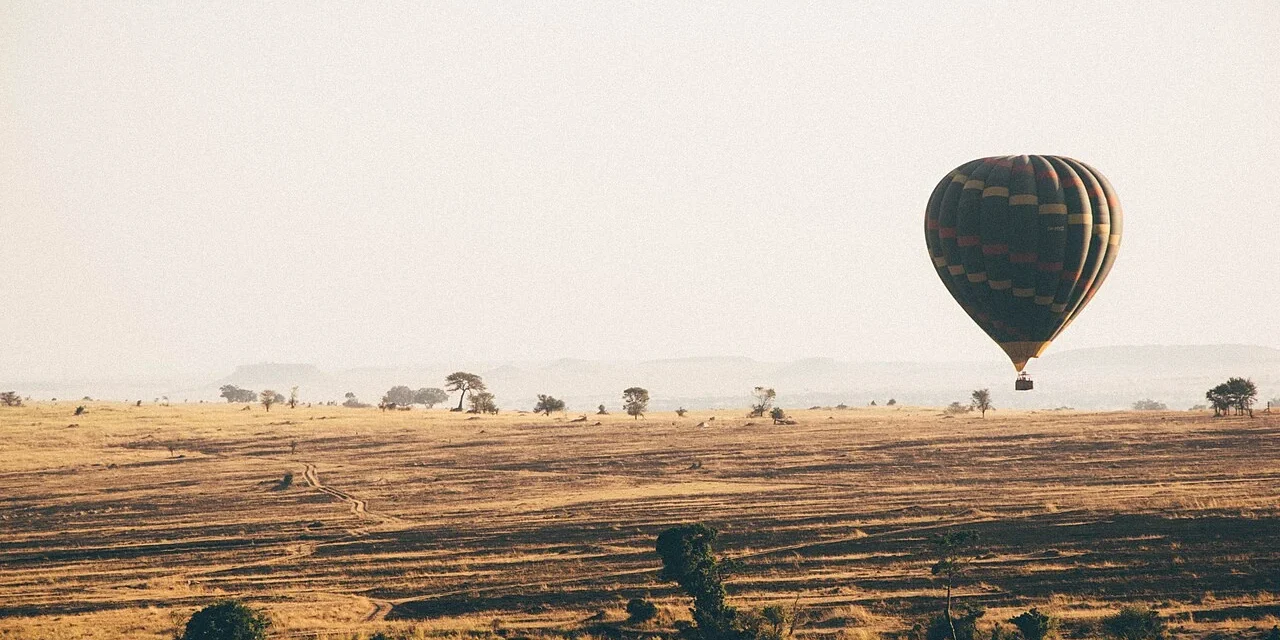
The balloon photograph accompanying this guide shows a real Serengeti landscape. It does not establish that a balloon activity is available, suitable or included in a particular tour. Specialist activities require their own current description, conditions and confirmation.
The same care applies to any optional experience. Ask what is actually booked, which provider operates it and what happens if conditions prevent it. Avoid treating a photograph in a tour gallery as a contractual inclusion.
Prepare for an ordinary day
Request the operator’s current packing and practical instructions, then check them against your route. Think about how you will carry the items you use during a drive, keep photography equipment manageable and handle charging or communications at the confirmed bases.
For entry documentation, health matters and other personal travel requirements, consult the relevant official authorities and qualified professionals. This guide does not substitute a general destination checklist for advice about your nationality, circumstances or travel dates.
Leave space for a useful conversation
Once in the park, ask your guide what has changed since they last visited an area. An observation about water, grass or a quiet stretch of woodland can add meaning to the day without requiring a dramatic sighting.
Respect the guide’s decisions about where to stop and when to move. Keep an animal’s space and the current park rules ahead of the wish for a particular photograph. A thoughtful visit depends on how you behave as well as what you planned.
Confirm the arrangements carefully. Keep the expectations about wildlife flexible.

Balloon Safari & Bush Breakfast in Serengeti - Miracle Experience
Miracle Experience is a premier eco-luxury Hot Air Balloon Safari company based in Tanzania. Our incredible safaris...

Serengeti Balloon Safari and authentic bush breakfast
Some things are worth getting up early for and this is certainly one of them. The wonderful experience of a hot-air...

Materuni Waterfalls, coffee tour & Kikuletwa Hot Springs
A comprehensive trip, combining hiking, coffee learn, local brewers & a refreshing dip at the hot springs Great cha...
Balloon Safari & Bush Breakfast in Serengeti - Miracle Experience
Miracle Experience is a premier eco-luxury Hot Air Balloon Safari company based in Tanzania. Our incredible safaris over the Serengeti and Tarangire N...
Read the habitat guide, patient wildlife observation and choosing a base before comparing current tour descriptions.
Primary planning reference: Tanzania National Parks trip planner. Check current operational details with TANAPA and your confirmed provider.
