
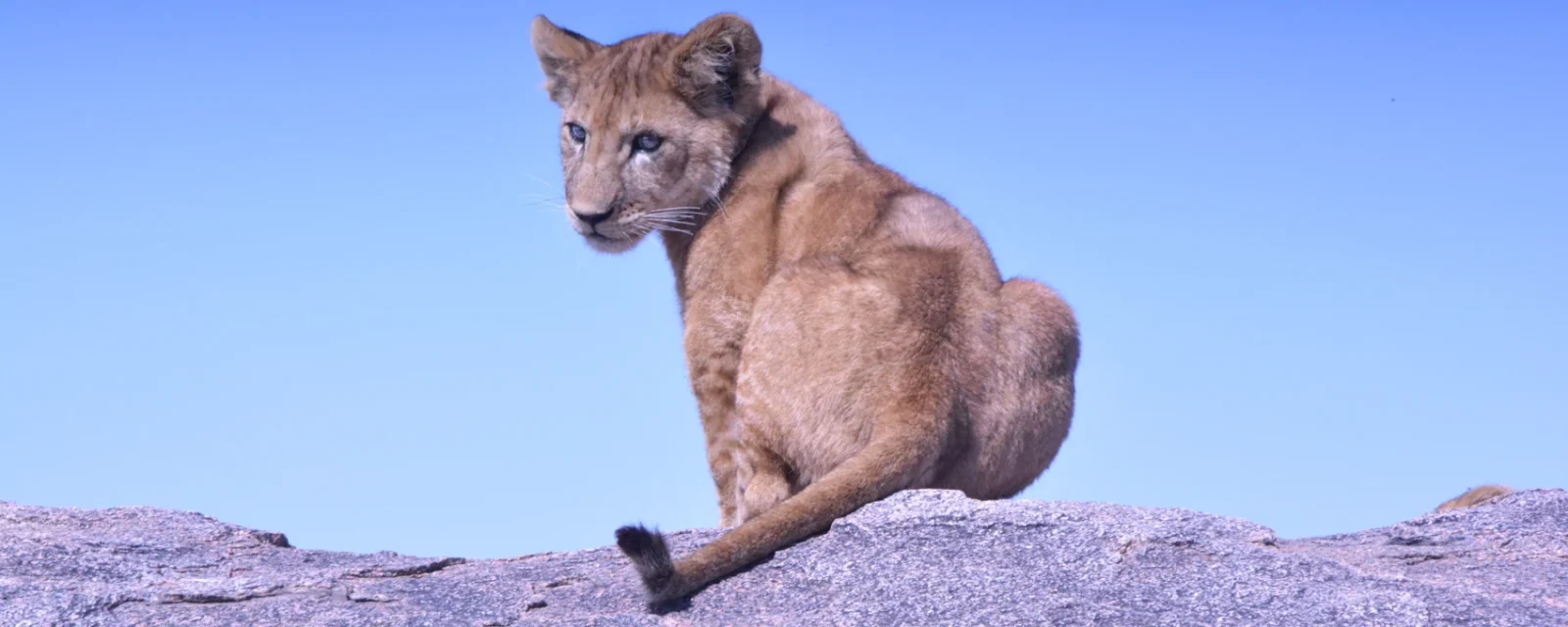
It is easy to arrive with a list of animals and measure each day against it. A more rewarding approach is to keep the list loose enough to notice what is actually happening. The Serengeti is a living place, and the wildlife does not perform to a visitor’s timetable.
A guide can help you interpret a scene without making it more dramatic than it is. Tell them what interests you: behaviour, birds, landscapes, tracks or photography. Listening carefully can be as valuable as moving quickly to the next reported sighting.
Look before reaching for the camera
At a suitable stopping place, let your eyes move across the whole setting. Notice the animal’s position in relation to vegetation, other animals and open space. A tight photograph can be useful, but it may omit the context that made the encounter interesting.
Ask your guide before changing your position. Follow their instructions and the current park rules, including any directions about remaining in the vehicle and where stopping is permitted. A photograph is never a reason to press for closer access or to obstruct an animal’s movement.
Make room for smaller lives
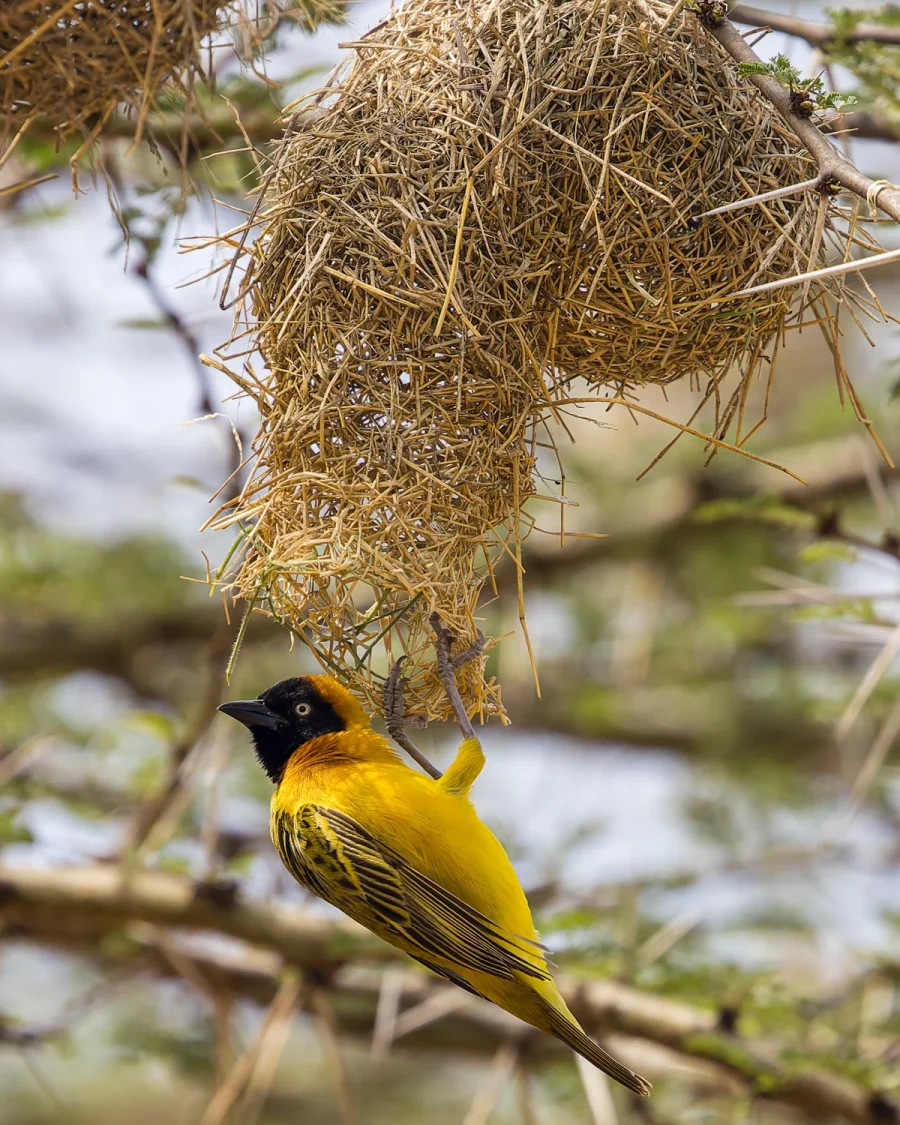
The weaver photograph accompanying this article shows a bird beside a woven nest in the Serengeti. It is a real, credited image, not a promise that the same behaviour will be visible during your visit. Smaller subjects can invite a slower kind of attention when an appropriate viewing opportunity arises.
You do not need to identify everything immediately. Record a visible feature, ask a question, and leave room for uncertainty. Distinguishing what you saw from what you later learned makes your notes more useful and avoids turning a guess into a confident label.
- Describe the subject before assigning an identification.
- Include the habitat in your observation.
- Ask whether your activity could disturb the animal.
- Let the guide decide when it is appropriate to move on.
A quiet encounter still counts
A resting animal or a distant herd may not produce the picture you imagined. It can still show how an animal uses space. Resist the pressure to turn every pause into a dramatic story or to judge one day against photographs made by other travellers in different conditions.
If a vehicle is shared, agree on basic expectations before the drive. A photographer seeking a long pause and a traveller hoping to cover more ground may want different things. An early conversation gives the guide a better chance to balance those interests.
Questions to bring along
- What should we notice in this habitat today?
- Which behaviour can you explain from what we can actually see?
- Would a wider view tell this story more honestly?
- When is it better to leave the animal undisturbed?
Keep a sighting as an observation, not an achievement that must be repeated. Conditions, access and animal behaviour can change.
When choosing a tour, read the provider’s current description carefully. Clarify the vehicle arrangement, guide language and included activities. An attractive image does not establish what a particular departure will deliver.

Balloon Safari & Bush Breakfast in Serengeti - Miracle Experience
Miracle Experience is a premier eco-luxury Hot Air Balloon Safari company based in Tanzania. Our incredible safaris...

Serengeti Balloon Safari and authentic bush breakfast
Some things are worth getting up early for and this is certainly one of them. The wonderful experience of a hot-air...

Materuni Waterfalls, coffee tour & Kikuletwa Hot Springs
A comprehensive trip, combining hiking, coffee learn, local brewers & a refreshing dip at the hot springs Great cha...
For the landscape behind the encounter, read our habitat guide. For the practical conversations to have before departure, start with planning a first visit.
Current park planning and visitor requirements should be checked through Tanzania National Parks and your confirmed guide or operator. The observational prompts here are editorial suggestions, not instructions to approach wildlife.
